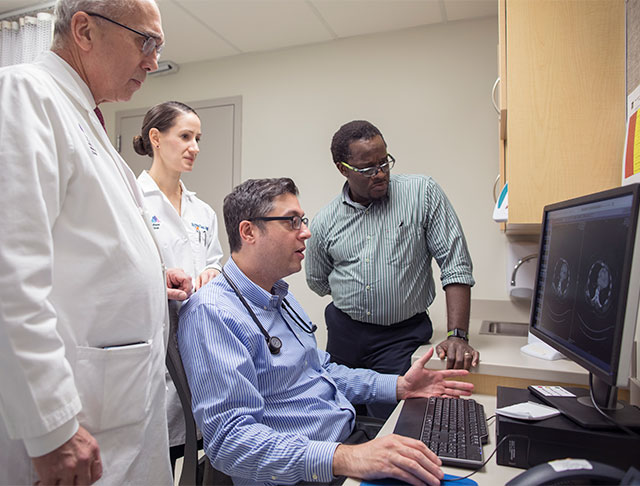
Healthcare is changing quickly, and education is changing with it. As hospitals, clinics, and research institutions rely more on digital systems, students are paying closer attention to programmes that combine health knowledge with data and technology. This is why medical informatics courses are gaining interest among students who want a practical and future-relevant area of study. These courses usually focus on how information is collected, managed, and used to support better decisions in healthcare settings.
The field sits between medicine, technology, and administration. It helps students understand how healthcare professionals use digital tools to organise patient records, improve communication, reduce errors, and support treatment planning. Instead of focusing only on software or only on clinical practice, this area connects both sides in a structured and applied way.
What students typically learn
A well-designed programme usually introduces students to health information systems, medical data management, digital recordkeeping, healthcare workflows, and the ethical handling of sensitive information. Some courses also include analytics, clinical decision support, and the role of technology in improving service delivery.
This mix of subjects helps students build a broad understanding of how modern healthcare operates. It also gives them a clearer view of the practical challenges healthcare organisations face when managing large volumes of information. In many cases, the value of these programmes comes from showing how technology supports people rather than replacing human judgement.
Students may also develop transferable skills that are useful across many roles. These include critical thinking, problem-solving, structured communication, and the ability to interpret information responsibly. In healthcare, those skills matter because even small mistakes in documentation or coordination can affect outcomes.
Why this field matters now
Digital transformation is no longer limited to large hospitals or specialist centres. Across the healthcare sector, there is growing dependence on accurate data, secure systems, and efficient communication between teams. As a result, organisations increasingly need people who understand the connection between patient care and information systems.
That is one reason medical informatics courses appeal to students who want to study something relevant to current healthcare needs. The field reflects how medicine is evolving in practice. It also supports several directions after graduation, including healthcare administration, health data support, digital health services, research assistance, and further study in related disciplines.
From an educational perspective, this subject can be suitable for students who like organised thinking and applied learning. It is particularly relevant for those who are interested in healthcare but also want to understand the systems that help clinical environments function smoothly.
How to choose a suitable programme
When comparing options, students should look closely at the curriculum rather than relying only on a course title. A strong programme should show clear links between theory and application. Modules should feel relevant to real healthcare settings, and the course should explain how knowledge can be used in practice.
It is also worth considering academic support, teaching quality, and whether the programme encourages analytical thinking. In my view, the best courses are those that help students understand both the technical side of health information and the human context behind it.
In summary, medical informatics courses can offer a useful path for students who want to combine healthcare understanding with digital capability. Before making a decision, compare the curriculum, review the learning outcomes, and choose a programme that matches your goals. A thoughtful choice now can help you build a solid foundation for work in an increasingly connected healthcare environment.